
‘Why should we not be illuminated by the night of our jouissance?’
Luce Irigaray, Elemental Passions (1992)
Night is bodily, relational and sensory
In her exploration of the deepest darkness, and the power that emanates from it, Barbara has found profound inspiration in Luce Irigaray’s Elemental Passions. For Irigaray, night makes possible a form of knowledge that remains inaccessible by day: a knowledge that is bodily, relational and sensory. Irigaray calls it a ‘night of sensation’. In the night, the senses converge — seeing, touching, smelling, tasting and hearing. It becomes a space of experience in which things can exist alongside and in relation to one another, without immediately being ordered, judged or separated.
The Goddess of Night
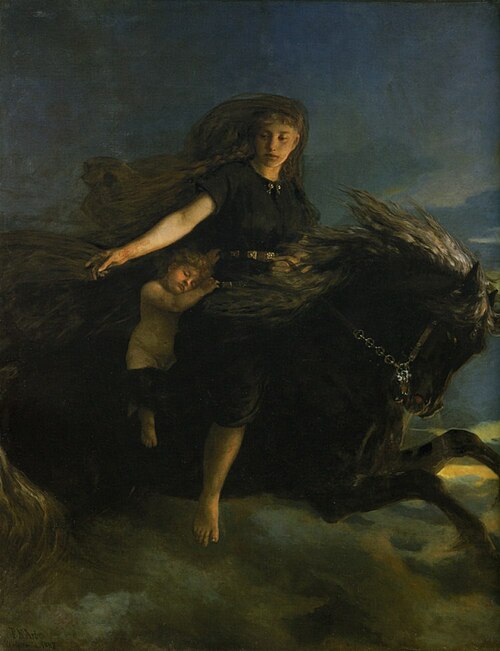
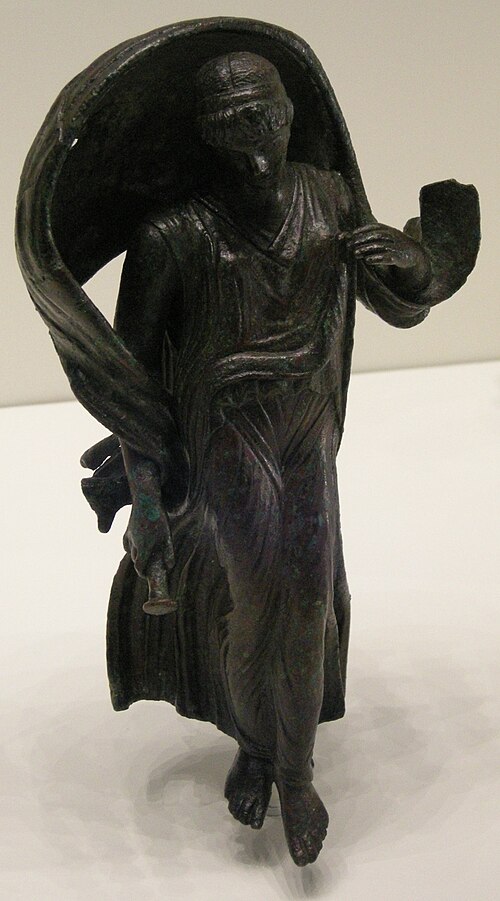
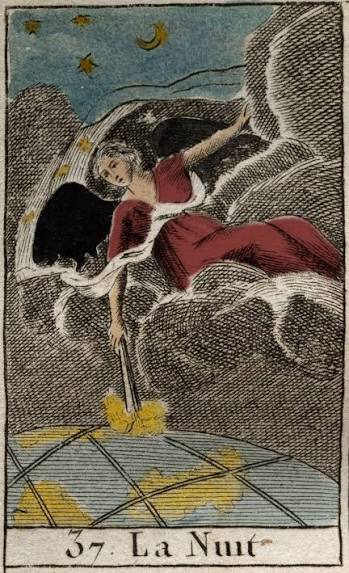
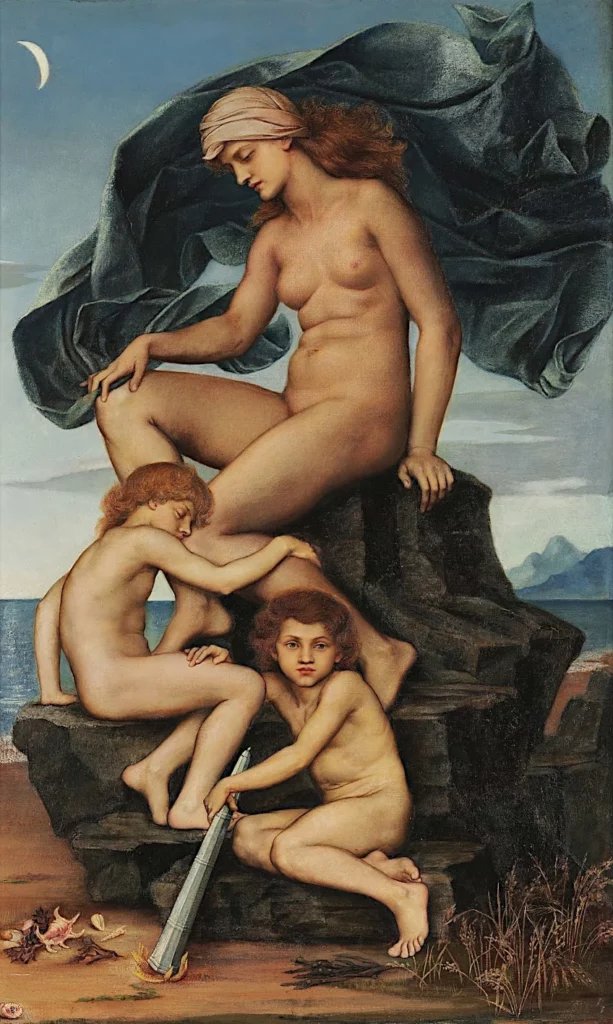
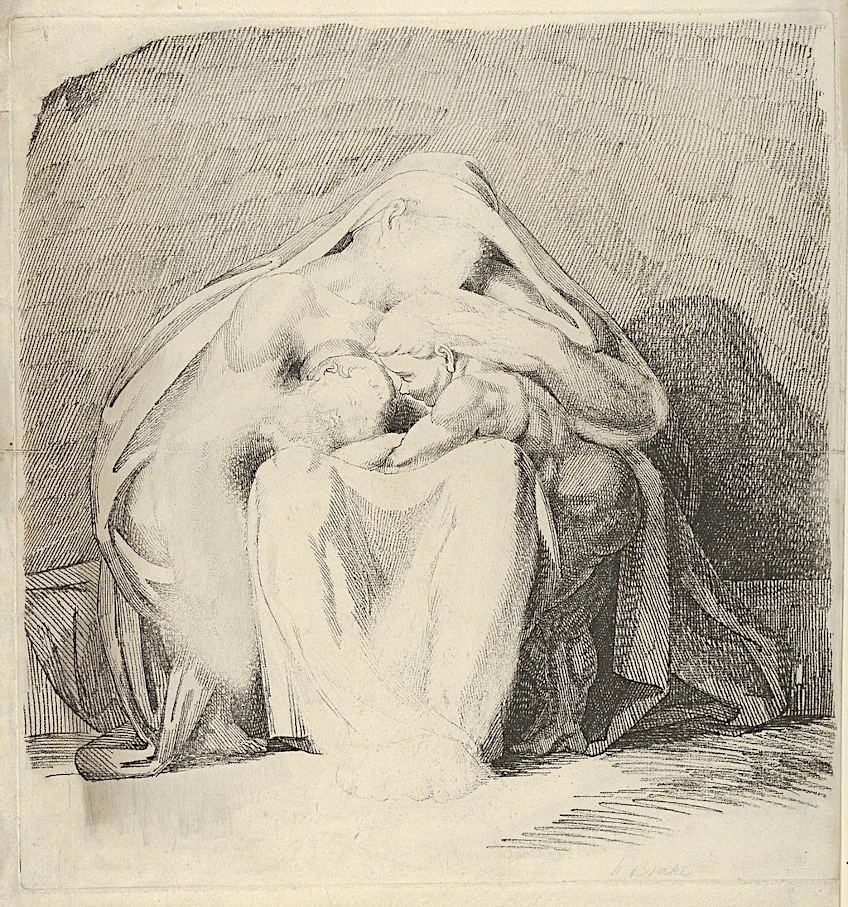
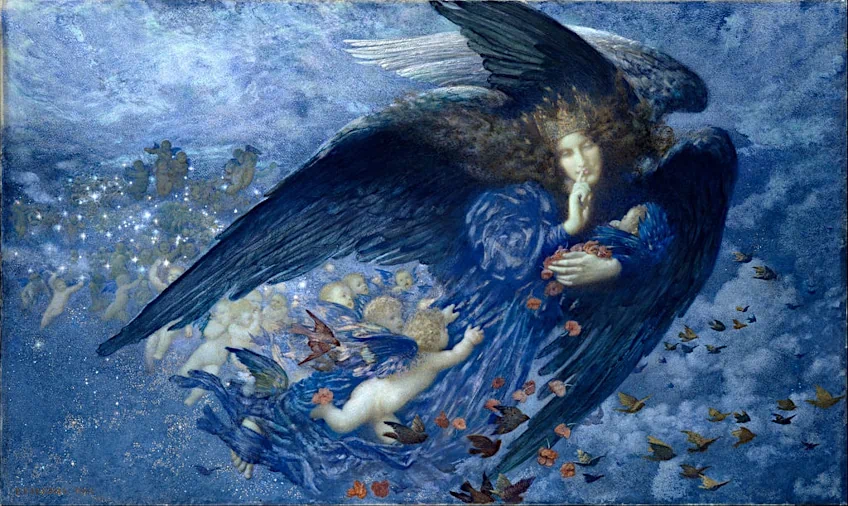
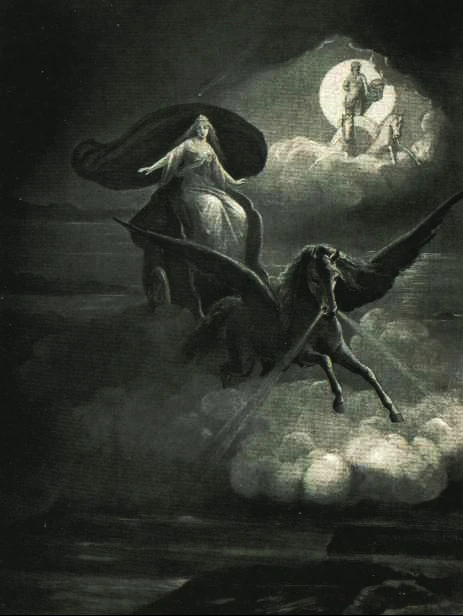
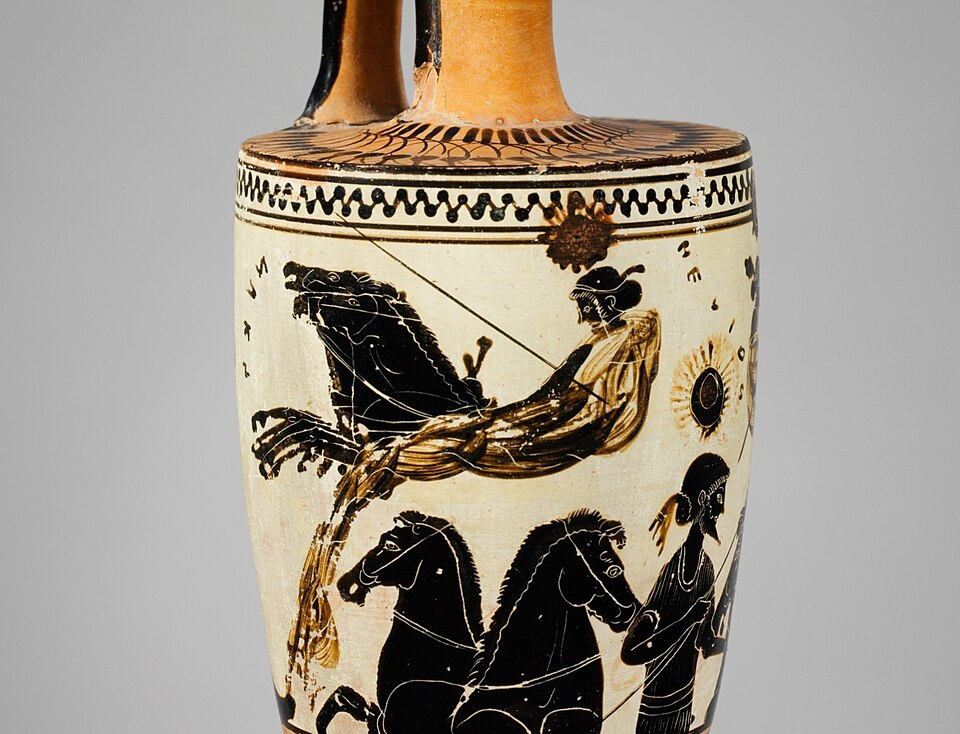
As part of her research, Barbara has also gathered images of Night as a goddess. In almost every culture and mythology, the deity of night is female. Yet nearly all the images she found were made by men: goddesses seen, in essence, through the male gaze. And still, when she looks at them through an Irigarayan lens, something else comes into view. Imagine being that woman. Imagine the light going out for your sisters, so that they might finally be free to be who they are.
In this collection, the goddess of Night is invariably depicted wearing a mantle. Night lays her mantle over the earth — perhaps to shelter it, to allow it to sleep, but also to grant whatever might blossom in her protective darkness all the privacy it deserves.
For why should we not be illuminated by the night of our jouissance?



Part of this research is the artist’s book we made. You can read more about it and purchase it here